
Loading...
State College Concrete Company is a concrete contractor serving Sunbury, PA - replacing and installing garage floors, driveways, sidewalks, and steps for Northumberland County homeowners throughout the city. We know Sunbury's older housing stock, the freeze-thaw pressure that cracks concrete along the Susquehanna, and what fair pricing looks like for work done right. We respond to every estimate request within one business day.
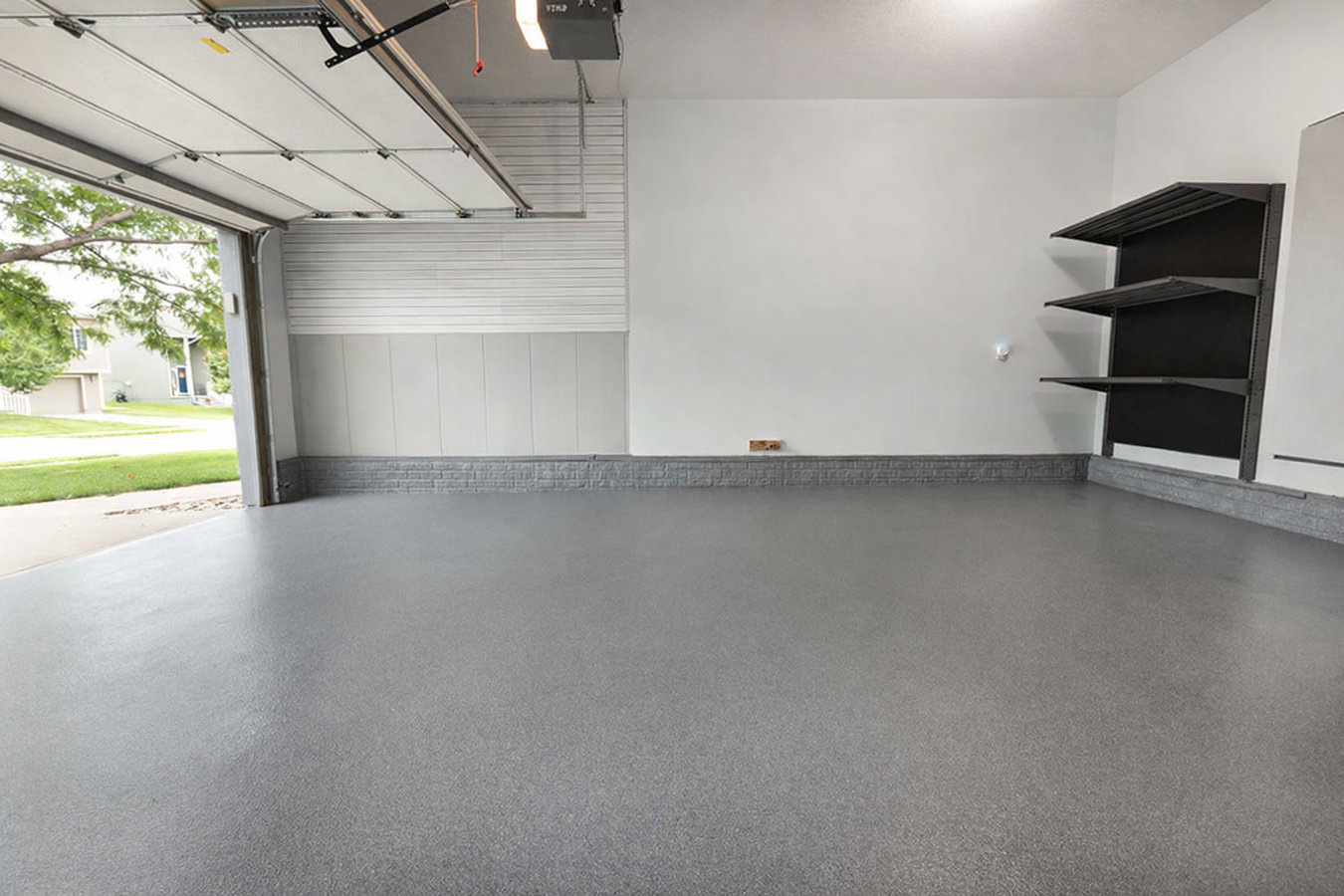
Detached garages on Sunbury's older residential blocks are common - many were built in the early to mid-1900s on original poured or packed-dirt floors that have since cracked, settled, or been covered with a thin slab that is now failing. Our garage floor concrete work starts with proper base prep and compaction so the new slab has something solid to sit on - not just a new pour over the same failed base that broke the last floor.
Driveways on Sunbury's single-family blocks run from short aprons to full-length paved runs along side yards, and many have been patched so often the original surface is barely visible beneath the repairs. Freeze-thaw cycles here work through every open joint and patch edge each winter. We replace cracked driveways with properly graded pours that move water away from the house and give the slab joints that control where cracking happens rather than letting it travel freely across the surface.
Sunbury's compact downtown grid means sidewalks are part of almost every property, and the older blocks throughout the city have panels that have been pushed up by frost and shifted by decades of soil movement. Uneven panels are a trip hazard and a liability, and the city-owned trees that line many residential streets keep root pressure on adjacent concrete year-round. We replace problem panels or full runs with a base that accounts for the root and drainage conditions specific to each block.
Front steps on Sunbury's row homes and attached two-story houses often bear the same problem: the original base has failed, the steps have settled or pulled away from the threshold, and winter salt has accelerated the surface damage. When steps crack and settle on attached housing, the fix has to work within tight side-yard and porch constraints. We rebuild steps to proper depth with a drained footing that holds up through repeated freeze-thaw cycles without pulling away from the structure above.
Many of Sunbury's pre-1940 homes still have their original stone or brick foundations, which absorb moisture and develop gaps in the mortar joints over time. Properties in the lower parts of the city near the Susquehanna River have seen repeated flooding, and foundations in those areas may have damage that has been masked rather than repaired. A new poured concrete foundation eliminates the moisture pathways that aging masonry develops and gives older Northumberland County homes a base that handles the wet, heavy-soil conditions here.
Properties along the edges of Sunbury's grid that back up against sloped or low-lying ground need proper retaining walls to keep saturated soil from pushing against the house after spring rain and snowmelt. River-adjacent lots in particular deal with hydrostatic pressure that collapses block or timber retaining walls within a few wet seasons. We build concrete retaining walls with the drainage aggregate and footing depth required to handle Northumberland County's soil and seasonal water load.
Sunbury is a small city of about 9,000 people and the county seat of Northumberland County, and a large share of its housing was built before World War II. Row homes and attached two-story houses fill the downtown blocks, while detached single-family homes occupy the streets further from the center. What these properties share is age - most have original wood framing, older plumbing, and foundations that were built when Portland cement was less standardized and base preparation was less rigorous than today. A concrete contractor working here needs to understand how those older materials behave, how tight lot spacing affects equipment access, and how to match new concrete work to structures that were not designed with modern loading or drainage assumptions in mind.
The location at the confluence of the North and West Branches of the Susquehanna River adds a flood and drainage dimension that affects concrete planning throughout the city. Low-lying properties near the river have experienced flooding multiple times over Sunbury's history, and soil in those areas holds water longer than higher ground. The repeated freeze-thaw cycles from December through March drive water into every open crack and joint, and soil that stays saturated near the river freezes unevenly under slabs and foundations. Properties at higher elevations in the city deal with the same freeze-thaw pressure without the flooding risk, but the underlying housing-stock characteristics are the same throughout - old, often under-maintained, and worth getting the concrete work right the first time.
Our crew works throughout Sunbury regularly, and we understand the local conditions that affect concrete work here. The downtown blocks near the Northumberland County Courthouse are where we most often encounter row homes and attached housing with shared walls, narrow rear yards, and front steps that have not been rebuilt since the house was new. Equipment access in these tight spaces requires smaller tools and more hand work, and the job scope is often more limited than on a property with an open yard and a wide driveway.
Moving out from the downtown core, Sunbury's residential streets have detached two-story homes with front porches, mature street trees, and detached garages in the back - the classic layout of a Pennsylvania river city that grew up in the late 1800s and filled in through the mid-1900s. Market Street is the main commercial corridor, and the neighborhoods spreading north and south from there are where most of the owner-occupied single-family homes sit. Fort Augusta, the 18th-century British fort site at the confluence of the Susquehanna branches, is a well-known local landmark, and the residential streets nearby are among the older parts of the city's grid.
We also serve homeowners in Selinsgrove directly across the river to the south, where the housing stock and soil conditions are similar, and in Lewisburg further west along the Susquehanna valley, another small city with a mix of older owner-occupied homes and rental properties near a university campus.
Call or fill out the estimate form and we will get back to you within one business day. You do not need measurements or a detailed description ready - just tell us what is going on and we will take it from there.
We come to the property, look at the existing concrete and the conditions underneath, and give you a written, itemized price. We tell you upfront whether the base needs work before a new pour - that affects the total cost and the lifespan of the finished surface, and it is better to know before the job starts than after.
If a permit is required, we handle the application with the Sunbury city office before scheduling. We coordinate the permit timeline and let you know the pour date in advance. You do not need to make trips to the code office or track the permit yourself.
We finish the work, clean the site, and walk you through curing and use instructions before we leave. Concrete needs seven days before vehicle traffic - we explain exactly what to protect and for how long so the surface cures correctly and does not pick up damage in the first week.
We serve homeowners throughout Sunbury and Northumberland County. No commitment required - we will assess the project, walk you through what needs to happen, and give you a written price before any work starts.
(814) 996-0735Sunbury is the county seat of Northumberland County and sits at the confluence of the North and West Branches of the Susquehanna River, a location that has shaped the city's history, its architecture, and its relationship with water. Sunbury has about 9,000 residents and roughly 4,000 housing units, about half of which are owner-occupied. The housing stock is predominantly pre-World War II - two-story wood-frame homes, row homes, and attached housing throughout the compact downtown grid, with detached single-family homes on the blocks further from the center. Median home values here are well below the state average, which reflects the age of the housing as much as anything else, and homeowners throughout the city are generally making practical, value-conscious decisions about repairs and upgrades.
The downtown area follows Market Street, the city's main commercial corridor, which runs through a tight grid of older buildings close to the Northumberland County Courthouse. The Fort Augusta blockhouse, a replica of the 18th-century British fort that stood at the river confluence, is a well-known local landmark on the north end of downtown. Low-lying residential streets near the river have a documented history of flooding, and the National Weather Service monitors the Susquehanna at Sunbury as one of its active gauge points because flood events here affect properties throughout the valley. Nearby areas we also serve include Selinsgrove across the river and Bloomsburg to the northeast, both of which share Sunbury's Susquehanna valley setting and aging housing stock.
Safe, level sidewalks installed to code for homes and businesses.
Learn MoreSolid retaining walls that control erosion and shape your landscape.
Learn MoreSmooth, durable interior floors poured to exact specifications.
Learn MoreCommercial parking lots poured for high traffic and durability.
Learn MoreWhether it is a cracked garage floor, heaved sidewalk panels, or front steps that have settled away from the porch, call us or submit an estimate request and we will get back to you within one business day.