
Loading...
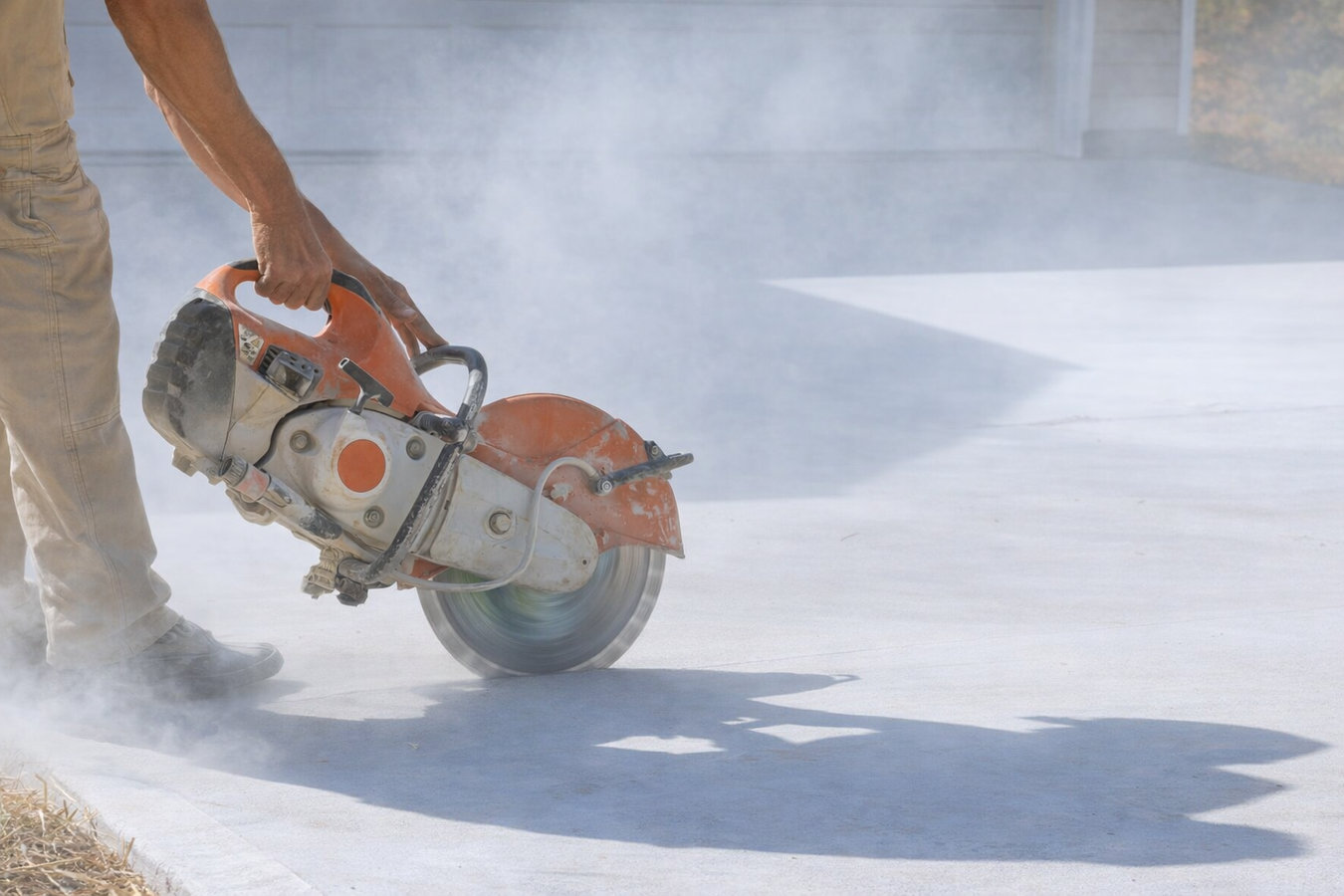
Whether a plumber needs to open your basement floor or a driveway section has cracked past saving, we make clean, precise cuts in hardened concrete so the next step in your project can move forward without delay.
Concrete cutting in State College uses diamond-blade saws and core drills to slice through hardened concrete cleanly and at a controlled depth - most residential jobs take a few hours to a full day, and the cutting itself does not require any curing time before the next phase of work begins.
Homeowners across Centre County need concrete cutting for a variety of reasons - opening a basement floor for a new drain or plumbing repair, removing sections of a driveway that have cracked past the point of patching, or creating openings for new utility connections in a renovation. In State College, the combination of cold winters, clay-heavy soils, and older housing stock means concrete damage tends to get worse faster than in milder climates. A crack that looks small in October can be a real problem by March, after freeze-thaw cycles have worked on it all winter.
Concrete cutting is often the first step before a larger repair - once the damaged section is removed cleanly, the work that follows goes more smoothly. When a driveway section has been cut out and needs to be replaced with new concrete that will hold up to central Pennsylvania winters, our concrete driveway building service handles the replacement pour.
If you have a crack in your basement floor or garage slab that seems a little longer or wider every year after winter, freeze-thaw cycles are actively working against you. In State College's climate, this pattern tends to accelerate - what starts as a hairline crack can become a significant gap within a few winters. Cutting out the damaged section cleanly is the right fix, not patching over the surface.
Water in a basement after a storm or spring thaw is one of the clearest signs your drainage is not working. Adding or repositioning a floor drain often requires cutting through the existing concrete slab to reach the soil below. If you are mopping up water more than once a year, an assessment is worth it - the fix is usually more straightforward than homeowners expect.
If a plumber has told you that a pipe repair or new drain line requires cutting into your concrete floor, that is exactly what concrete cutting is for. This is common in older State College homes where original cast-iron drain pipes are corroding or the plumbing layout needs to be updated. This is a routine, well-understood process.
Sections of concrete that have shifted - one side higher than the other, or a corner that has dropped - create a trip hazard and get worse over time. In Centre County, clay soil movement and frost heave are common culprits. Cutting out the affected section is often the first step toward a lasting repair, rather than trying to patch an unstable base.
We use diamond-blade flat saws, hand saws, and core drills depending on what the job requires. Diamond blades leave a clean, straight edge - not a ragged break - which matters a lot when the cut area will be patched, poured back, or left as a finished opening. We use wet cutting to cool the blade and control dust, and we contain and clean up the slurry before leaving. Every outdoor cutting job begins with a call to PA 811 to have underground utility lines marked - Pennsylvania law requires this, and we follow it on every job. For indoor work, we assess existing plans and probe carefully before cutting near areas where pipes or conduit may run.
We handle permit requirements in State College Borough and the surrounding townships - College, Harris, Ferguson, and Patton each have their own building departments, and the process varies depending on which municipality governs your address. When the cutting is part of a larger project like a drain installation or plumbing repair, we coordinate with the next trade so the project does not sit open longer than necessary. After cutting, if the project calls for new concrete to fill the opening, our concrete parking lot building and driveway replacement teams are available for the pour-back phase.
For basement or garage floors that need to be opened for drain installation, plumbing access, or section removal - clean cuts at controlled depth.
Suited for homeowners cutting out cracked or heaved driveway panels that are beyond patching, before a new section is poured.
Removes damaged sidewalk sections cleanly so replacement concrete can be poured to match grade and pitch correctly.
Creates circular openings through slabs or walls for pipes, conduit, and utility penetrations - precise diameter, minimal surrounding damage.
For new concrete that needs saw-cut control joints to manage where cracks form - done at the right time in the curing process.
Straight-line cuts through slabs or driveways to create a trench for new utility runs, coordinated with PA 811 marking on every outdoor job.
State College has an unusually high proportion of housing stock built between the 1950s and 1980s, particularly in Bellefonte and the surrounding townships. Many of these homes have original cast-iron drain pipes, concrete floors poured on loosely compacted fill, and plumbing systems that were never designed for the loads they carry today. When those systems fail, concrete cutting is almost always part of the repair. Centre County soils include significant clay and weathered shale, particularly toward the hillsides around the valley - clay holds moisture and shifts seasonally, putting constant stress on slabs and foundations. In State College's climate, temperatures cross the freezing mark dozens of times each winter, and that repeated cycling accelerates concrete damage faster than in milder regions.
For homeowners in Lewistown and across Centre County, fall is the most important scheduling window - once temperatures drop consistently below freezing in late November, any patching or replacement concrete poured after a cut will not cure correctly. Homeowners who discover a problem in October should call immediately rather than waiting until spring, because freeze-thaw cycles can turn a manageable crack into a serious drainage or structural issue over a single winter. The Concrete Sawing and Drilling Association sets the industry standards for the cutting methods and dust control practices used on every job we run.
Tell us what you are trying to accomplish - drain installation, section removal, plumbing access, or something else. You do not need to know the technical details. We will ask a few questions and schedule a free on-site estimate, typically within a few days. We respond within one business day.
We come out to check the concrete thickness, look for cracks or problem areas nearby, and assess whether any utility lines need to be located before cutting begins. You get a written quote and a clear explanation of what we will cut, where, and why - in plain terms before anyone picks up a saw.
For any outdoor job, we call PA 811 at least three business days before the work date. Utility companies mark the locations of gas, electric, water, and cable lines before we start. This is required by Pennsylvania law and protects your property. We also confirm permit requirements based on your municipality before scheduling.
The crew marks the cut lines, sets up dust and slurry containment, and begins cutting. Most residential jobs are done in a few hours. We clean up before leaving and walk you through what comes next - whether that is a plumber coming in the following day or a concrete pour later that week.
Free on-site estimate. We come out, look at the job, and give you a written quote - no obligation, no sales pitch.
(814) 996-0735State College Borough and the surrounding townships each have their own permit offices and timelines. We work across all of them regularly - so we know which office to call for your address, what to expect from the process, and how to avoid delays that trip up contractors unfamiliar with the area.
We call 811 and wait for utility lines to be marked before any outdoor cutting begins - no exceptions. Pennsylvania law requires it, and skipping it puts your property and your family at risk. You can ask us directly whether the call has been made before work starts.
Pennsylvania's Home Improvement Consumer Protection Act requires contractors doing improvement work to register with the state. That registration gives you legal protections, including the right to a written contract. You can verify any contractor's registration through the Pennsylvania Attorney General before signing.
Concrete cutting is almost never the whole job - there is usually a plumber, a drain installer, or a concrete crew following behind. We work alongside those trades regularly in the State College area and coordinate timing so your project does not sit open longer than necessary.
We bring the right equipment, follow the rules that protect your property, and tell you exactly what is happening before anyone touches your concrete. For homeowners who want to understand the dust control standards and professional practices that should apply to any cutting job, the OSHA silica standard explains why professional dust controls matter on every job - not just for the crew, but for anyone nearby.
After cutting out a damaged driveway section, a properly poured replacement panel with the right mix for central Pennsylvania's freeze-thaw climate is the next step.
Learn MoreFor commercial properties needing sections of deteriorated parking lot concrete removed and replaced, cutting is the first step toward a lasting repair.
Learn MoreFall scheduling fills up fast in State College - lock in your date before the ground freezes and the season closes for the year.