
Loading...
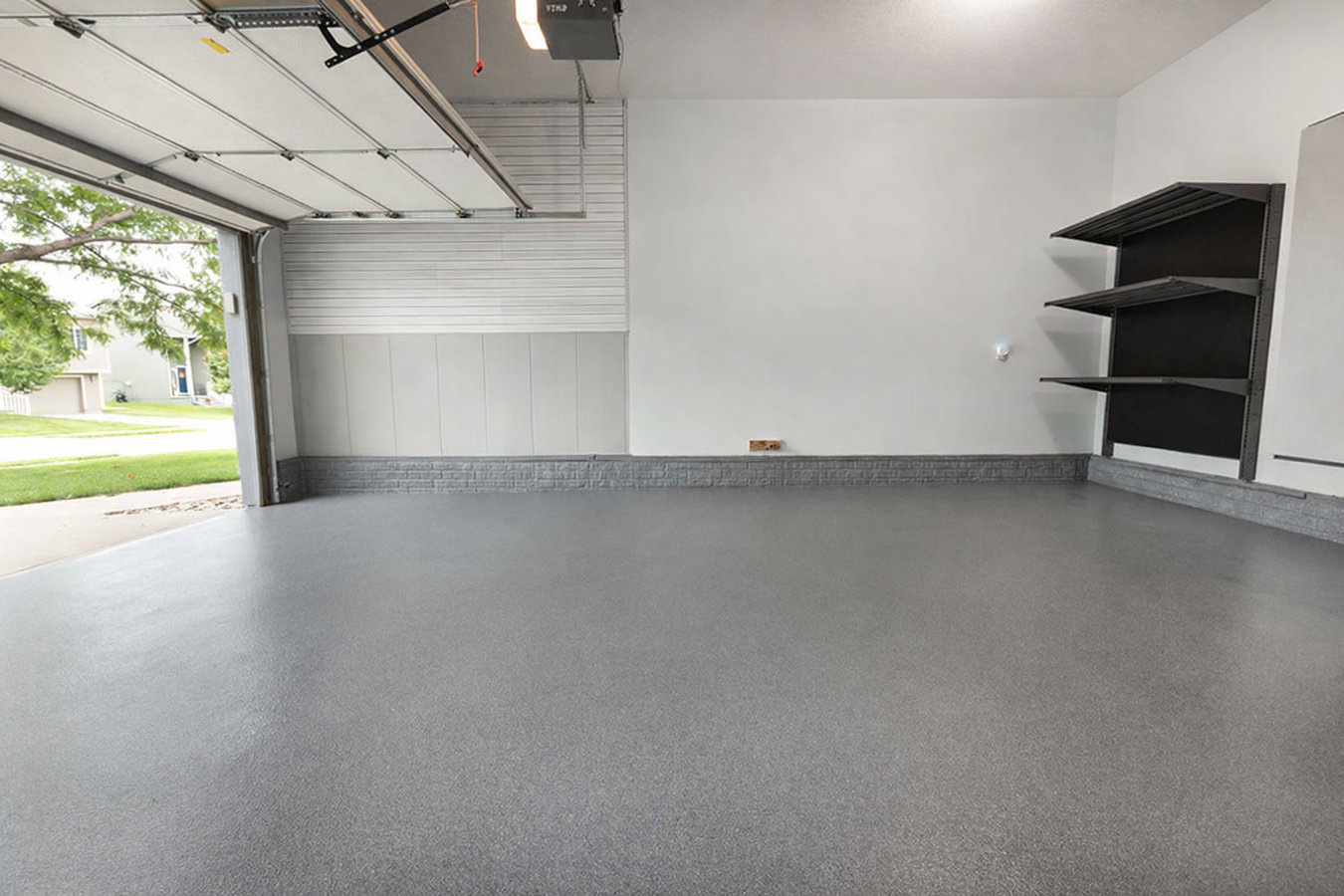
Flaking, cracked, or uneven garage floors are a common problem in central Pennsylvania. We pour and resurface garage floor concrete that handles the road salt, cold winters, and heavy use that wear out floors in this area.
Garage floor concrete in State College, PA means removing the old slab or preparing its surface, compacting the right base material, pouring fresh concrete with proper reinforcement, and finishing it flat and smooth - most jobs take one to two days of active work, with vehicles back on the floor after about a week of curing.
Many homeowners in this area are dealing with floors that were never properly sealed, so road salt has been working its way into the concrete every winter for years. Once the surface starts flaking or pitting, it tends to get worse quickly. In some cases, a full replacement makes more sense than trying to patch over a damaged base.
If you want to go a step further with your garage space, our decorative concrete service lets you add color or a textured finish on top of a properly poured slab - turning a functional floor into a finished space.
If the surface is breaking apart in small chips or has rough, pitted areas, the top layer has been damaged - most often by road salt tracked in every winter. Once flaking starts, it spreads. Catching it early saves you from a full replacement later.
Hairline cracks are normal and often harmless. But cracks wider than about a credit card's thickness, cracks running in a jagged pattern across a large section, or cracks where one side sits higher than the other suggest the slab or its base is shifting.
If water collects in puddles after washing your car or after a wet spell, the floor has developed low spots from settling or an original pour that was not properly sloped. Standing water accelerates concrete damage and can work under the slab over time.
Many homes in the State College area - particularly near Penn State's campus - have original garage floors that are now 40 to 60 years old. Concrete of that age, especially if it was never sealed, may look passable but be near the end of its useful life.
Every project starts with an honest assessment of the existing floor. If the base underneath is sound, resurfacing may be the right call. If the base has shifted or the slab is failing in multiple areas, a full pour - excavation, compaction, new concrete - gives you a floor built to last. We discuss that decision with you before any work starts and give you a written estimate for the scope we recommend. Depending on your goals, we can also connect the garage floor to adjacent concrete floor installation work in basements or utility spaces, keeping materials and crew consistent across the whole project.
Standard residential garage floors are poured four inches thick - the right depth for most home use. Heavier loads, like trucks or equipment, call for a thicker pour, and we talk through that before the job starts. We embed reinforcement, cut control joints to guide any future cracking into clean predictable lines, and apply a sealer after the floor cures. Sealing is not an add-on here - it is included because State College winters demand it.
Old concrete removed, base excavated and compacted, fresh slab poured - the right solution when the base is failing or the floor is beyond repair.
For floors with surface damage but a sound base, an overlay can restore the surface without the cost of full demolition.
A textured surface that gives traction when the floor is wet - practical, clean, and easy to maintain.
Ideal for workshops or finished garages where you want a clean, polished look underfoot.
Steel reinforcement and planned joints keep the slab stable and guide any cracking to nearly invisible lines.
A sealer applied after curing protects against road salt, moisture, and staining - required in this climate, not optional.
The two biggest threats to garage floors in this area are road salt and freeze-thaw cycles. Centre County roads are treated with salt and brine from November through March, and that salt gets tracked straight onto your floor every time you pull in. At the same time, the ground beneath the slab is under constant stress from soil that expands when wet and contracts when dry. A floor that was not built with the right base prep and a proper sealer does not last long in these conditions. We see the damage every spring.
A significant portion of State College's housing stock near campus has cycled through student rentals for decades, and many of those garage floors were never properly maintained or sealed. If you have recently bought a home in that area - or anywhere in the surrounding townships - it is worth having the floor assessed before assuming it just needs a coat of paint. Homeowners in Bellefonte and Philipsburg face identical soil and climate challenges, and we work regularly in both communities.
Tell us your garage size and what you are seeing on the floor. We schedule a free on-site visit within a few days. You receive a written estimate before any work starts, and we reply within 1 business day of any inquiry.
If your project requires a permit from State College Borough or your township, we pull it. Permit timelines are built into the schedule so they do not slow things down after you commit to a start date.
If the old slab is being removed, plan for a day of noise while we break it out and haul the debris. Once the base is excavated and compacted, the pour follows quickly - usually the next morning.
After the pour, the floor needs seven days before you park on it. We walk the finished surface with you before we leave and answer any questions about sealing, resealing, and care through winter months.
Free estimate, written quote, no obligation. We respond within 1 business day.
(814) 996-0735We include a sealer on every garage floor we deliver - not as an upsell, but as a standard step. In a climate where road salt hits your floor from November through March, a sealant is not optional if you want the floor to last more than a few years.
We handle the permit application with State College Borough or your township before any concrete is poured. Permitted work is on record, which matters if you ever sell the home or need to demonstrate the job was done to code.
Clay-heavy soils in and around State College shift with the seasons - expanding when wet, contracting when dry. We excavate to the right depth and compact the correct base material before every pour, which is the step that keeps slabs from cracking or settling in the first few years.
Pennsylvania requires home improvement contractors to register with the state's Attorney General's office. We maintain that registration, which gives you legal protections under the Home Improvement Consumer Protection Act. You can verify contractor status at the PA Attorney General website.
Every one of these points matters more here than in a milder climate. When you hire us, you are getting a contractor who understands what central Pennsylvania winters do to concrete and builds accordingly - not one who learned their process somewhere else and has not adjusted for it.
Add color, texture, or a stamped pattern to transform your garage floor into a finished space worth showing off.
Learn MoreFrom basements to workshops, we pour interior concrete floors across the full range of residential and light commercial spaces.
Learn MoreSpring and summer booking slots in State College fill fast - reach out now so your project gets on the schedule before the busy season peaks.