
Loading...
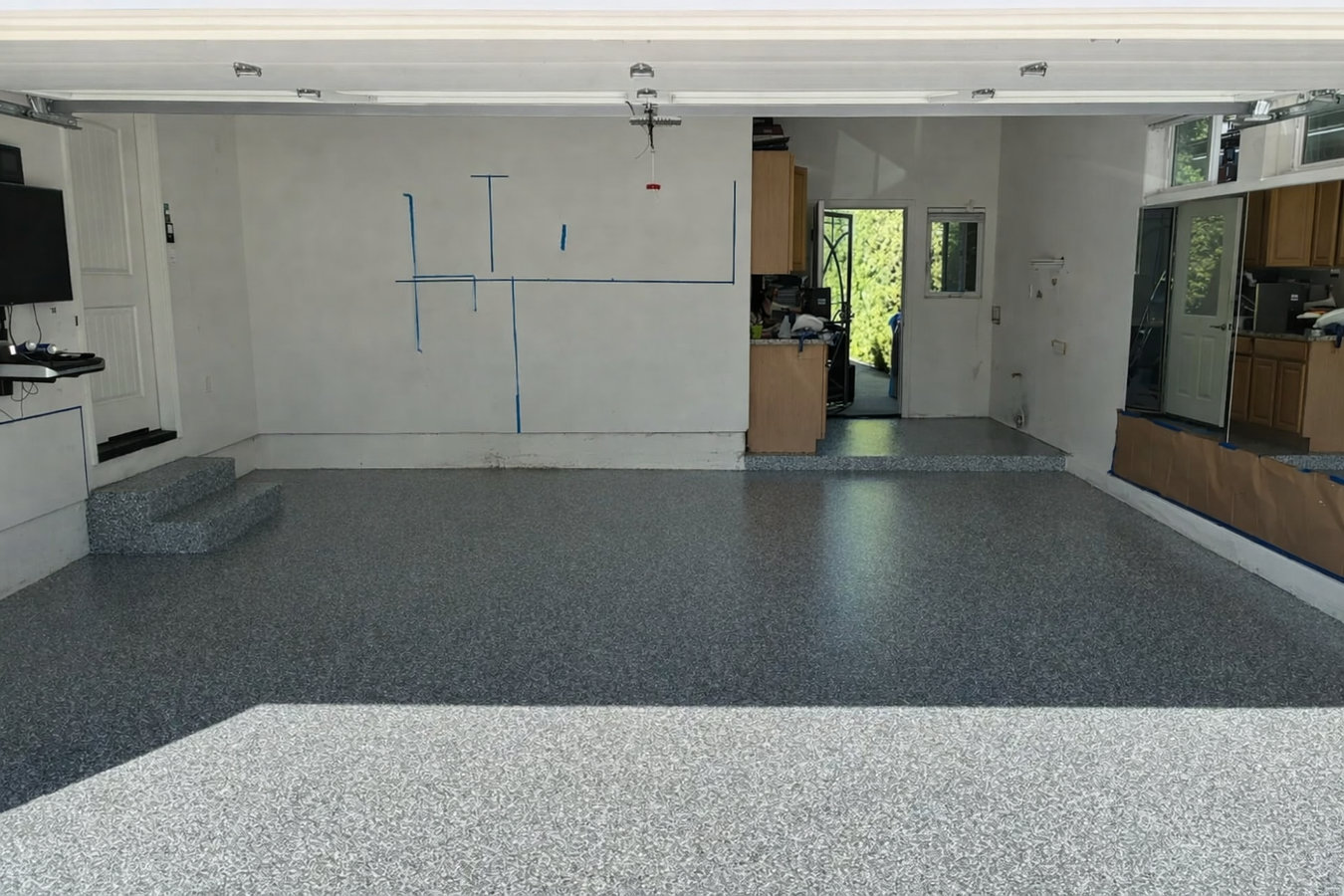
A cracked, dusty basement floor or a garage slab that heaves every winter is not something you should keep patching. We install new concrete floors with the base preparation and reinforcement that central Pennsylvania's clay soils and freeze-thaw climate require.
Concrete floor installation in State College means removing any existing slab, compacting the soil, adding a gravel base layer, pouring a reinforced concrete slab at the right thickness, and applying a finish - most residential basement and garage projects take one to three days of active work, with the floor ready for light foot traffic within a week.
Homeowners across State College are dealing with basement floors from the 1950s and 1960s that were poured thin and without proper reinforcement - floors that crack, crumble, and collect dust no matter how much you clean them. Others have garage slabs that have shifted or heaved over years of freeze-thaw cycles because the base beneath them was never properly prepared. A new floor with a correct gravel base and control joints changes the entire feel and usability of those spaces.
If you are replacing a garage floor specifically, our garage floor concrete service covers everything from demolition to a finished, vehicle-ready surface - including options for coatings and finishes suited to that environment.
If you see cracks wider than a pencil, chunks of concrete breaking off, or sections that feel soft or hollow when you tap them, the slab has likely reached the end of its useful life. This is especially common in State College homes built before 1970, where original basement floors were often poured thin and without proper reinforcement. A new floor is safer and better protected against moisture.
If water pools in low spots after a storm or during spring thaw, your floor may have settled unevenly - a common result of clay-heavy soil shifting beneath the slab over many winters. Standing water is not just an inconvenience; it can damage stored items and encourage mold growth. A new floor with proper grading solves this problem for good.
Older concrete floors often develop spalling, where the top layer flakes and powders over time. You will notice a fine gray dust on everything in the space, and the surface feels rough or pitted underfoot. This is a sign the concrete has deteriorated and is no longer holding together at the surface - resurfacing or replacing the floor is the most effective fix.
If you are planning to finish a basement or convert a garage into a living space, an uneven or rough concrete floor will cause problems with everything you put on top of it. You can check for level yourself using a long straightedge - gaps of more than a quarter inch over a few feet indicate the floor needs attention before any finishing work begins.
Every floor project starts with a site visit - we look at the existing slab or ground conditions, check for drainage issues, and assess the soil before giving you a written number. Demolition and haul-away of the old concrete is included in our pricing. We compact the soil, add a gravel base layer, set forms, pour at the correct thickness for your space (at least four inches for a standard garage or basement), and apply your chosen finish. Wire mesh or rebar reinforcement is installed inside the slab to help it hold together if the ground shifts beneath it - a practical necessity given Centre County's clay soils. Control joints are cut at planned intervals so any shrinkage cracks happen in nearly invisible lines rather than splitting randomly across the floor. If you are thinking about a concrete pool deck or other outdoor surface at the same time, we can coordinate both projects to reduce mobilization cost and keep your schedule consolidated.
We handle the permit application with State College Borough or your township office as a standard part of every project that requires one. Inspected, permitted work is on record when you sell your home - and it confirms the floor was built to code. After the concrete has fully cured, we can apply a sealer to protect the surface from stains, moisture, and wear - a step that makes a real difference for basement and garage floors that see regular use.
Full demo and new pour for older basement slabs - including base preparation for State College's clay soil conditions.
New slab for attached or detached garages, poured at the right thickness and slope to handle vehicles and Pennsylvania winters.
A lightly textured surface that provides grip underfoot - practical for any space that will be walked on regularly.
A flat, tight surface suited to spaces where you plan to add flooring or where a clean look matters most.
Wire mesh or rebar included inside the pour for added strength - recommended for garages and any floor carrying heavy loads.
A sealer applied after full curing protects against stains, moisture, and surface wear - especially valuable in basement environments.
State College has a large share of homes built between the 1950s and 1980s, and many of them have original basement floors that were poured thin and without the gravel base that modern installations include. When you remove one of those old slabs, you often find clay-heavy soil underneath - soil that holds water, expands when wet, and contracts when dry. That movement is what pushes up on new slabs from below if the base preparation is rushed or skipped. Proper gravel compaction beneath the pour is not optional in this area; it is what keeps the floor level and crack-free through years of seasonal soil movement.
The timing of the pour also matters more here than in milder climates. State College winters bring repeated freezing temperatures from late fall through early spring, and fresh concrete cannot cure properly when the ground is frozen. We serve homeowners in Philipsburg and Lewistown as well, and the same freeze-thaw and clay-soil conditions apply throughout Centre and Mifflin counties - so our approach to base preparation and pour timing is consistent across every project we take on in this region.
We respond to all inquiries within one business day. We schedule a free on-site visit before giving you a written estimate, because the condition of the existing floor or ground affects the price significantly - a phone estimate for a floor project is rarely accurate.
During the visit, we look at existing floor or ground conditions, check for drainage issues, and assess whether the soil needs extra preparation. After the visit, you receive a written estimate with labor, materials, and permit costs listed separately - no single all-in number that hides where the money goes.
You clear the space completely before the crew arrives - everything off the floor. If there is an old slab being removed, we handle that and haul the debris away. We then compact the soil and add the gravel base layer before forming the edges of the new slab.
Pour day moves quickly - the crew fills the forms, screeds the surface flat, and applies your finish in a few hours. Then the slab needs time: at least three to seven days before light foot traffic, and longer before heavy use. If a permit was required, a municipal inspector visits after full curing to sign off on the work.
We visit the space, assess the existing conditions, and give you a written quote you can compare with confidence - no obligation.
(814) 996-0735We schedule pours during the weather windows that give concrete the best chance to cure properly - spring through early fall for most projects. When work is needed in cooler months, we use the equipment and protective measures required to maintain pour quality. This is not a minor detail; it is one of the main reasons concrete floors succeed or fail in central Pennsylvania.
Every floor we install includes a compacted gravel base layer sized for the soil conditions on that specific site. In State College's clay-heavy soils, this step is what separates a floor that stays level and crack-free for decades from one that starts showing movement within a few winters. We do not treat it as optional or cut it short to save time.
We pull the required permits and coordinate inspections as a standard part of every project. That documentation protects your home and confirms the work was done to code. You can verify contractor registration at the Pennsylvania Attorney General and review concrete standards through the American Concrete Institute.
Older homes here sometimes hide soft soil or drainage problems under existing basement slabs - issues that only become visible when the old floor is removed. We assess conditions before quoting and tell you upfront if we expect additional prep work. The estimate you approve is the one you pay, not a number that grows once we are already on your property.
A concrete floor is one of those investments that you do not think about once it is done right - it just works, season after season. The decisions that make it work happen before the truck arrives: the base preparation, the timing, the reinforcement, and the finish. That is where we spend our attention.
Extend your concrete work outdoors - pool deck surfaces built with the same durable base preparation we use for interior floors.
Learn MoreA garage floor resurfacing or new pour that handles vehicle traffic, oil, and Pennsylvania winters without flaking or pitting.
Learn MoreContractor availability in State College books up quickly once the weather turns. Reach out today and we will get your floor assessment scheduled before the busy season is gone.